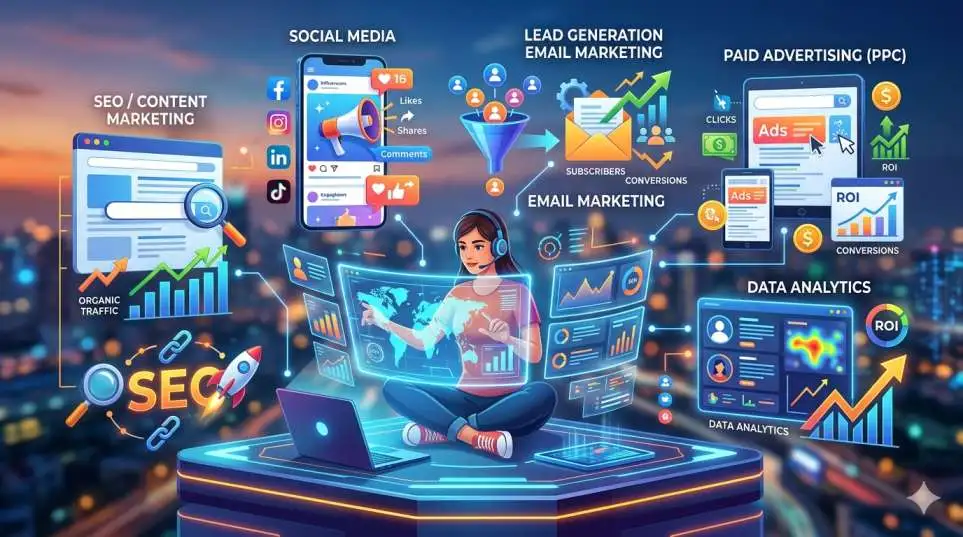
If you’ve been online for more than five minutes, you’ve seen someone promise “the secret formula” for digital marketing. Spoiler: there isn’t one. But there are different types of digital marketing that actually work, and I’ve tested most of them myself. I run a small agency. I’ve also owned a tiny e-commerce store that sold handmade leather goods (it failed, but that’s another story). Through that mess, I learned what matters and what’s just noise.
Here’s the thing about online marketing strategies: they’re not magic. They’re just smart ways to show up where your customers already hang out. Some strategies cost money. Some cost time. All of them need patience. Let me walk you through the real landscape of digital marketing in 2026. No fluff. No “synergy.” Just what works.
First, Let’s Get Honest About “Types of Digital Marketing Strategies”
When people ask me about types of digital marketing strategies, they usually want a simple list they can copy. I get it. But here’s what most articles won’t tell you: you can’t do all of them at once unless you have a team of twenty people and a money-printing machine. Small business owners especially fall into this trap. They hear about SEO, then TikTok, then email, then PPC, and suddenly they’re doing nothing well.
So before we dive into each strategy, make a deal with yourself. Pick two or three. Master those. Then maybe add one more. That’s how real growth happens. Now, let’s break down the different types of digital marketing that still matter in 2026.
You may also read :- How AI is Transforming Digital Marketing in 2026
Search Engine Optimization (SEO) – The Long Game That Pays
You’ve heard “SEO” a thousand times. But what does an SEO strategy in digital marketing actually look like for someone who isn’t a tech wizard? Honestly? It’s simpler than you think. SEO is just making your website easy to find and useful to read. Google isn’t some mystery box. It’s a robot that tries to guess what people want. If you give clear answers, Google rewards you.
How I Do SEO Without Losing My Mind
I stopped obsessing over keyword density years ago. Now I focus on three things:
- Writing for humans first – If a sentence sounds weird because you forced a keyword in, delete it.
- Answering the actual question – If someone searches “best digital marketing strategies for small business,” don’t give them a vague overview. Give them specific, actionable steps.
- Making my site fast and easy to click – Big paragraphs kill mobile readers. Break things up.
A real example: last year, a local plumber asked me for help. We wrote a single page answering “why is my water heater making noise?” with photos and a simple checklist. That page now brings him 40+ calls a month. No backlinks. No fancy tools. Just a useful answer. That’s the core of any good SEO strategy in digital marketing – usefulness beats tricks every time.
Content Marketing Strategy – The Thing That Makes SEO Work
You can’t have SEO without content. That’s like having a car without gas. So a content marketing strategy is really the engine behind everything else. But here’s where people mess up. They think content marketing means “blog three times a week forever.” That’s a recipe for burnout, not results. A smarter approach? Create fewer things, but make them deeper.
My Lazy-but-Effective Content System
I write one long guide per month. That’s it. Then I chop it into:
- Five social media posts
- Two email newsletters
- A script for a 3-minute video
- Three short answer boxes for FAQs
That one piece of content becomes ten pieces. And because it’s actually helpful, people share it. They link to it. Google notices. The types of digital marketing with examples that stick in your head are always the ones where someone shared a real story or a weird failure. So here’s mine: I once wrote a 4,000-word guide on fixing cracked phone screens (for a repair shop client).
It was boring to write. But it ranked #1 for two years because no one else went that deep. So if you’re wondering about effective digital marketing strategies 2026, here’s a hint: depth beats frequency. Always.
Social Media Marketing Strategy – Don’t Try to Win Every Platform
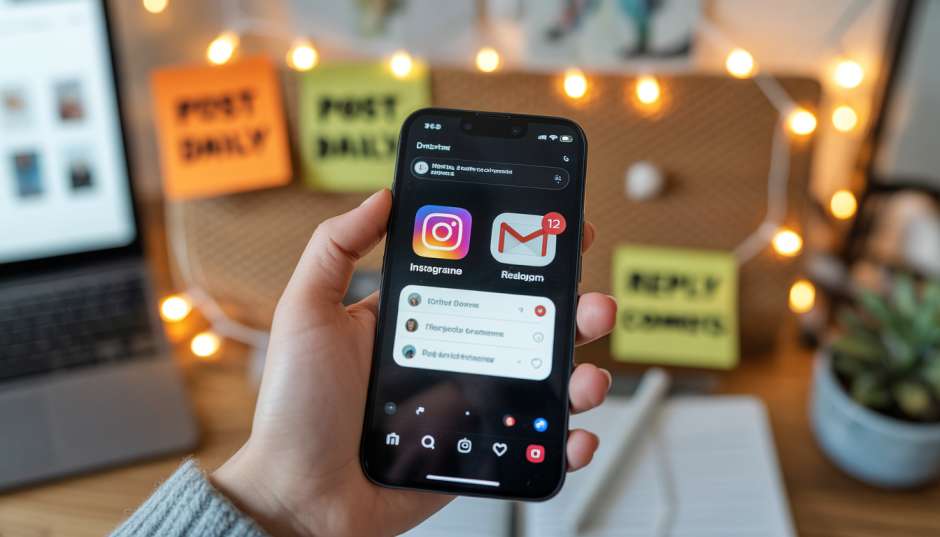
I’ve seen so many small business owners burn out trying to be everywhere. Instagram, TikTok, LinkedIn, Facebook, Pinterest, Snapchat… stop. A good social media marketing strategy starts with one question: where do my actual customers spend time? If you sell accounting software to CFOs, you belong on LinkedIn. If you sell handmade candles, Instagram and TikTok. If you’re a contractor, Facebook local groups.
A Strategy That Won’t Drain You
Pick one platform. Post four times a week. Spend fifteen minutes a day replying to comments. That’s it. I know a baker who only uses Instagram Stories. She posts behind-the-scenes of her kitchen every morning. No fancy edits. Just flour, ovens, and honest chatter. She sells out every weekend. No Reels. No hashtag games. That’s the secret: consistency on one channel beats mediocrity on five.
And yes, social media marketing strategy can include ads. But start organic. Learn what your audience likes. Then put $5 a day behind your best post. Scale only when you see a return.
PPC Marketing Strategy – Paying for Shortcuts
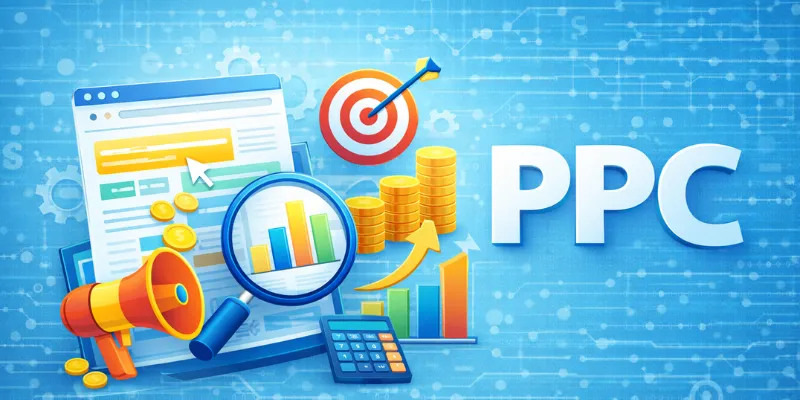
I’ll be straight with you: a PPC marketing strategy (that’s pay-per-click, like Google Ads) can burn money fast if you don’t know what you’re doing. But when it works, it works fast. Organic SEO might take six months. PPC can get you traffic today.
When I Recommend PPC
- You have a clear offer (not a vague “we’re great” message)
- You know your numbers (cost per click, conversion rate, profit per sale)
- You’re willing to test and kill bad ads quickly
The biggest mistake I see? Sending PPC traffic to a homepage. Don’t do that. Send them to a page that matches the ad exactly. If your ad says “20% off leather wallets,” the landing page better show leather wallets at 20% off. Not your whole store. Not your about page.
Also, use negative keywords. If you sell wedding photography, add “cheap” and “free” as negatives. Otherwise, you’ll pay for clicks from people who never intended to buy. PPC is not magic. It’s math. Do the math before you spend a dollar.
Influencer Marketing Strategy – Not Just for Big Brands
When people hear influencer marketing strategy, they imagine Kardashians and million-dollar deals. That’s not real life for 99% of businesses. Real influencer marketing happens with micro-influencers. These are people with 1,000 to 20,000 followers who have real engagement. Their audiences trust them like a friend.
How to Do This on a Tiny Budget
I once worked with a small tea company. We found ten Instagram accounts focused on “slow living” with about 5,000 followers each. We sent each one a free box of tea (cost us $12 per box) and asked for an honest story post. No script. No payment.
Five of them posted. One of those posts got 400 likes and drove 22 sales. That’s a win. So don’t overcomplicate it. Find people who already love your niche. Give them something free. Let them talk. Then repost their content on your own channels.
That’s a working influencer marketing strategy for normal people.
Affiliate Marketing Strategy – Let Others Sell for You
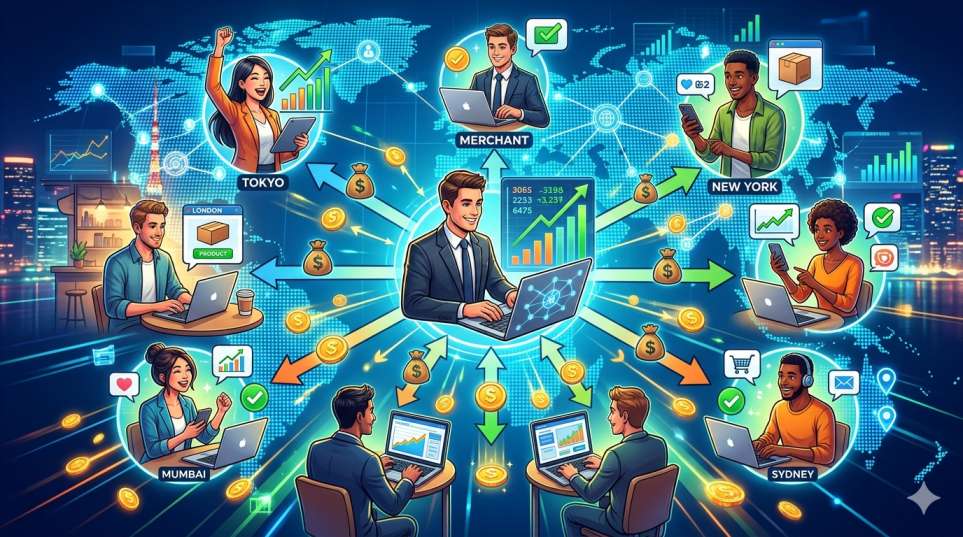
An affiliate marketing strategy is simple: you pay someone a commission when they send you a sale. It’s like having a sales team that only gets paid for results.
Setting It Up Without Headaches
You don’t need a big platform to start. Use a simple Google Form to let people sign up. Give them a unique discount code or a special link. Track sales manually at first. Once you have 20+ affiliates, move to a tool like Refersion or Tapfiliate.
The beauty of affiliate marketing? You can recruit customers, bloggers, YouTubers, even your own employees. And you only pay when money hits your bank account.
One of my clients (a software tool for freelancers) pays 30% recurring commission. That means an affiliate brings one customer, and they get paid every month that customer stays. That affiliate has now referred 47 customers. You do the math.
So yes, affiliate marketing strategy can be a quiet goldmine if you set fair commissions and treat affiliates like partners.
Video Marketing Strategy – Because People Don’t Read Much
I hate to say this as a writer, but video marketing strategy wins in 2026. People watch. They don’t always read. But here’s the good news: you don’t need a cinema camera. Your phone works. Really.
The Simplest Video Plan Ever
Record yourself answering one customer question. Keep it under 90 seconds for TikTok/Reels/Shorts. Put it on YouTube for longer stuff (5–10 minutes). That’s it. No fancy editing. No script. Just you, talking honestly.
I know a handyman who records a 60-second video every time he fixes something new. “Here’s how to unclog a sink without calling a plumber.” He posts these to YouTube Shorts and Facebook. He now gets five calls a week from people who saw his videos. He spent zero dollars.
So don’t overthink video marketing strategy. Start with your phone. Start today.
Also read:- Online Marketing Updates Every Marketer Needs
Mobile Marketing Strategy – Small Screen, Big Opportunity
More than half your traffic will come from phones. If your site isn’t mobile-friendly, you’re turning away customers. That’s the simplest part of a mobile marketing strategy. But there’s more. SMS marketing, for example. Text messages have a 98% open rate. Emails? Maybe 20% on a good day.
How to Use SMS Without Being Annoying
Only text people who opt in. Only text about urgent or valuable things: order updates, appointment reminders, or a rare flash sale. Never text “good morning” spam.
I have a client who runs a food truck. He collects phone numbers by offering a free drink. Then he texts once a week: “At the park today until 7pm. Mention this text for $2 off.” His return on that simple system is ridiculous. That’s a mobile marketing strategy that costs almost nothing and works like crazy.
Long-Tail Keywords and Real Examples You Can Steal
Let me give you specific types of digital marketing with examples that are working for small businesses right now. These are real, not theory.
| Strategy | Real Example |
|---|---|
| Local SEO | A locksmith wrote “how to get locked out of car” and included photos of his actual tools. Ranks #1 in his city. |
| Content marketing | A pet sitter created a PDF called “The Nervous Dog Owner’s Travel Checklist.” 800 downloads in six months. |
| Social media | A bookstore posts “shelf talkers” – handwritten notes on books by staff. Instagram followers grew 300% in a year. |
| A roofer sends a “monthly maintenance tip” email. No sales pitch. Just “clean your gutters before winter.” Gets replies and callbacks. | |
| PPC | A dentist bids on “emergency tooth extraction near me” and has a dedicated landing page with a click-to-call button. |
| Influencer | A local gym gave free memberships to five fitness micro-influencers. They posted workout clips. Gym added 40 new members. |
| Affiliate | A candle maker pays 15% to anyone who refers a sale. One customer now runs a small blog and sends 10+ sales a month. |
| Video | A car mechanic filmed “5 sounds your car should never make.” 200,000 YouTube views. His shop is booked for weeks. |
| Mobile | A pizza place lets you text “PIZZA” to a number and get a link to order. 60% of their delivery orders now come via text. |
These are the best digital marketing strategies for small business because they’re cheap, trackable, and don’t need a degree.
What’s Actually Working in 2026? (No Hype)
If you want effective digital marketing strategies 2026, ignore anyone who says “this one weird trick.” Here’s what I’m seeing work right now:
- Long-form content (2,000+ words) is beating short blog posts, as long as it’s genuinely useful.
- AI tools are great for outlines and first drafts, but Google is cracking down on pure AI fluff. You need human stories and original data.
- Search on TikTok and Instagram is real. People under 30 search there instead of Google. Optimize your video captions.
- Email lists are more valuable than ever because third-party cookies are mostly dead. Build your list like it’s gold.
- Zero-click content (answers that show up right on Google) means you need to give people a reason to click anyway – unique calculators, worksheets, or personal insights.
None of this is sexy. But it works.
How to Choose the Right Online Marketing Strategies for You
You’ve read about nine different types. Now you’re probably thinking “which one do I start with?” Here’s a decision tree I use with my consulting clients:
If you have almost no budget: Start with SEO and content marketing. Write one really good guide. Share it on social and via email. Be patient.
If you have a local service business (plumber, cleaner, tutor): Local SEO + Google Business Profile + Facebook neighborhood groups. Forget TikTok.
If you sell physical products online: Start with PPC (shopping ads) to get quick sales, then build email and affiliate programs.
If you’re B2B: LinkedIn + SEO + email nurture. Video helps a ton (short case studies).
If you already have traffic but no sales: Fix your email marketing strategy first. You’re leaking money.
And if you’re still stuck? Pick the channel that feels least annoying to you. If you hate writing, don’t force a blog. Do video. If you hate being on camera, do SEO or email. Play to your strengths.
A Simple Plan for the Next 30 Days
Let’s stop reading and start doing. Here’s a 30-day plan for any small business owner who wants real online marketing strategies without overwhelm.
Week 1: Pick one primary channel (SEO, email, or social). Set up tracking – even a simple spreadsheet works.
Week 2: Create three pieces of content for that channel. Don’t aim for perfect. Aim for done.
Week 3: Engage. Reply to comments. Answer questions. Send personal emails.
Week 4: Look at your numbers. Did anything move? If yes, do more of that. If no, tweak one thing – headline, offer, timing.
That’s it. No 100-step funnel. No expensive software. Just showing up and paying attention.
Final Thoughts
I’ve written a lot here. If you only remember three things, remember this:
- You don’t need every strategy. Two good ones will beat ten mediocre ones.
- Real examples beat theory. The types of digital marketing with examples I shared above? Steal them. Adapt them. Make them yours.
- 2026 rewards humans, not robots. Be helpful, be honest, be consistent. That’s the only algorithm that never changes.
Now go pick one thing from this article and do it today. Not tomorrow. Today. And if you’re still not sure which best digital marketing strategies for small business fit your situation, drop me a note through the contact form on this site. I reply to every real message. No bots. I promise.
Related Articles
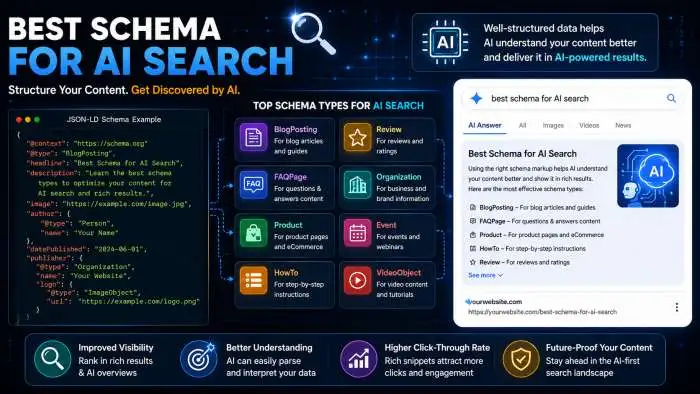
Best Schema Markup for AI Search: How to Get Your Site Cited by LLMs
If you want your content to appear in AI search results, you need to use schema markup. The best schema for AI search is a combination of Organization, Article, FAQPage, and Person schema. These help AI systems like ChatGPT, Google Gemini, and Microsoft Copilot understand...
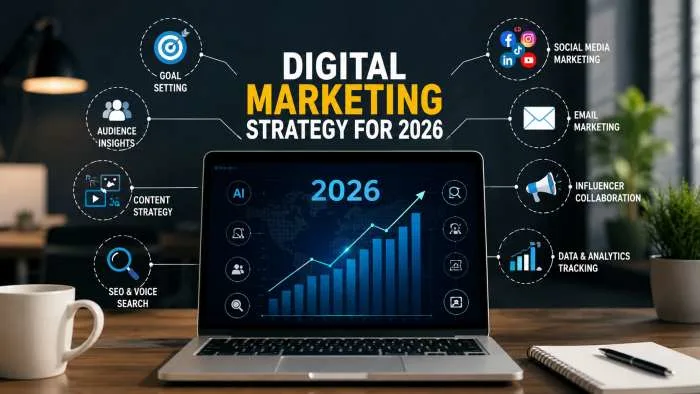
Easy Digital Marketing Strategy for 2026: Simple Ways to Grow Online
A digital marketing strategy for 2026 is just a well-defined strategy that outlines how you'll achieve your business Goal through online methods and channels. It's the pathway that will help your business reach those who need to know it, and grow your sales. This strategy is centered around who,...

Proven Customer Engagement Strategies to Drive Business Growth
A customer engagement strategy is your plan for building strong relationships with your customers at every step of their journey. It's not just about making a sale. It's about creating real connections that make people feel valued and heard . Think of it as the way you talk...