
Most local business owners do not need more marketing advice. They need a clear answer to one question: where should I put my time and money this month so that real people walk through my door or call my phone?
The strategies below are built for that question. They are not about being everywhere online. They are about being findable when someone nearby is ready to buy, and being trusted enough that they choose you over the shop down the street.
Start With Google Business Profile Before Anything Else
If you do nothing else this week, claim and complete your Google Business Profile. This is the single fastest way for a local business to show up when someone searches for a service in your digital marketing strategies for local businesses.
Fill in every field. Add your hours, your address, your phone number, and a short description of what you do. Upload real photos of your storefront, your team, and your work. Businesses with photos get more clicks and more direction requests than those without.
Then ask your happy customers to leave reviews. Not in a bulk email blast. Ask them in person, right after you have helped them. A steady trickle of fresh reviews signals to Google that your business is active and trusted. Reply to every review, even the short ones. This tells both Google and future customers that you pay attention.
One more thing: make sure your business name, address, and phone number are identical everywhere they appear online. Your website, your Facebook page, your directory listings. Small mismatches confuse search engines and can push you down in local results.
Read Also: Best Schema Markup for AI Search: How to Get Your Site Cited by LLMs
Build One Page That Turns Visitors Into Leads
Most local business websites send every visitor to the homepage. The homepage usually tries to do too many things at once. It talks about your history, lists every service, and shows a gallery. The visitor gets overwhelmed and leaves.
Pick one service or one offer that matters most to your revenue. Build a single page just for that. Give it one clear headline that says what you do and who it is for. Add a short paragraph explaining the result the customer gets. Put a simple contact form or phone number near the top. Remove the navigation menu so there is nowhere else to click except the button you want them to press.
This is not fancy. It is just focused. And focused pages convert far better than homepages because they remove the guesswork for the visitor .
Pick One Social Platform and Show Up Consistently
You do not need to be on Instagram, Facebook, TikTok, and LinkedIn. You need to be where your customers already spend time, and you need to post there on a schedule you can actually keep .
A restaurant should be on Instagram. A plumbing company might do better on Facebook community groups. A consultant might find clients on LinkedIn. Pick one. Post twice a week. Share photos of your work, answer common questions, and let people see the humans behind the business.
Consistency matters more than perfection. A blurry photo of a real job site posted every Tuesday beats a polished graphic posted once every two months. People trust what they see regularly.
Write Down the Questions Customers Ask You and Answer Them Online
Every local business hears the same questions over and over. How much does this cost? How long does it take? Do you serve my neighborhood? Can you come on Saturdays?
Write those questions down. Then write a short, honest answer to each one and put it on your website. Not as a list of bullet points. As real sentences that explain the answer the way you would explain it to someone standing in front of you.
This does two things. It helps the person who is already on your site decide to contact you. And it gives Google content that matches what people actually type into the search bar. When someone searches “how much does a plumber charge to fix a leak in [your city],” your page has a real chance of showing up because you answered that exact question in plain language.
Keep the answers short. Two or three paragraphs per question is enough. Update them when your prices or policies change.
Use Email to Bring People Back
Email is the only channel you own outright. Social platforms change their rules. Google changes its algorithm. Your email list belongs to you .
Put a simple signup form on your landing page. Offer something small in return, like a seasonal coupon or a short guide related to your service. Then send one useful message per month. Not a sales pitch every time. Share a tip, announce a new service, or remind people about seasonal maintenance.
The goal is to stay in the back of their mind. When the toilet finally breaks or they decide to repaint the kitchen, you are the name they remember.
Wait on Paid Ads Until Your Page Converts
Paid advertising can work well for local businesses. Google Ads and Facebook Ads both let you target by zip code, which means you are not paying to reach people who will never visit your store.
But do not spend a dollar on ads until you have a page that converts. If people click your ad and land on a confusing homepage, you are paying for traffic that leaves without doing anything. Fix the page first. Get a few organic conversions. Then put money behind it .
When you do start advertising, begin with a small budget you can afford to lose. Watch which keywords or audiences bring in calls and form fills. Cut what does not work. Scale what does.
Check Your Site on a Phone
More than half of local searches happen on a mobile device. If your website takes ten seconds to load or the buttons are too small to tap, people leave before they ever see what you offer.
Open your site on your own phone. Try to find your phone number. Try to fill out your contact form. If it takes more than a few taps, fix it. This is not a technical luxury. It is the difference between getting the customer and losing them to the business whose site loads in two seconds.
Read: Ecommerce Marketing Strategy: The Complete Guide to Scaling Sales
Put Your Address and Phone Number on Every Page
This sounds obvious. It is also skipped constantly. Someone finds your page through a search, reads two sentences, and decides they want to call. If your number is buried on a contact page, they have to hunt for it. Many will not bother.
Put your phone number in the header of every page. Put your address in the footer. Make it clickable so a phone call happens with one tap. Small friction kills local conversions more often than bad copy or ugly design.
Track What Brings People In and Stop Guessing
You cannot manage what you do not measure. Set up a simple system to track where your customers come from. Ask new callers how they found you. Use a free analytics tool to see which pages people visit before they contact you. Check your Google Business Profile insights to see how many people called or asked for digital marketing strategies for local businesses.
After a month, look at the numbers. If social media brings nothing but your email list brings five regulars, shift your time. If your landing page gets traffic but no calls, change the headline. Marketing works better when you make decisions based on what actually happened rather than what you hoped would happen.
A Simple Order to Follow
If you are starting from zero, do these in order. Claim your Google Business Profile. Build one focused landing page. Pick one social platform and post twice a week. Add an email signup to the landing page. Write answers to your ten most common customer questions and put them on your site. Fix your mobile site speed. Then, and only then, consider paid ads.
Related Articles
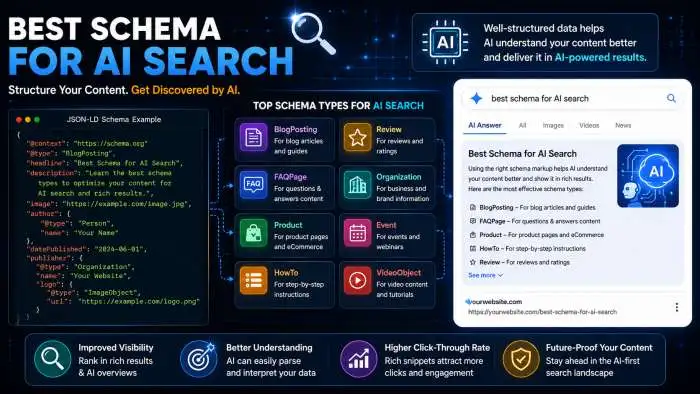
Best Schema Markup for AI Search: How to Get Your Site Cited by LLMs
If you want your content to appear in AI search results, you need to use schema markup. The best schema for AI search is a combination of Organization, Article, FAQPage, and Person schema. These help AI systems like ChatGPT, Google Gemini, and Microsoft Copilot understand...
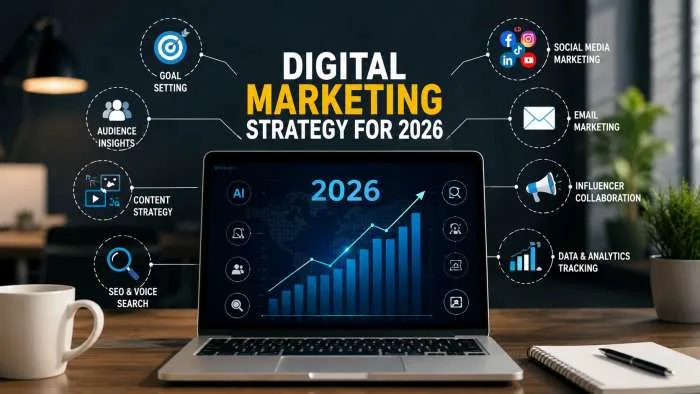
Easy Digital Marketing Strategy for 2026: Simple Ways to Grow Online
A digital marketing strategy for 2026 is just a well-defined strategy that outlines how you'll achieve your business Goal through online methods and channels. It's the pathway that will help your business reach those who need to know it, and grow your sales. This strategy is centered around who,...

Proven Customer Engagement Strategies to Drive Business Growth
A customer engagement strategy is your plan for building strong relationships with your customers at every step of their journey. It's not just about making a sale. It's about creating real connections that make people feel valued and heard . Think of it as the way you talk...