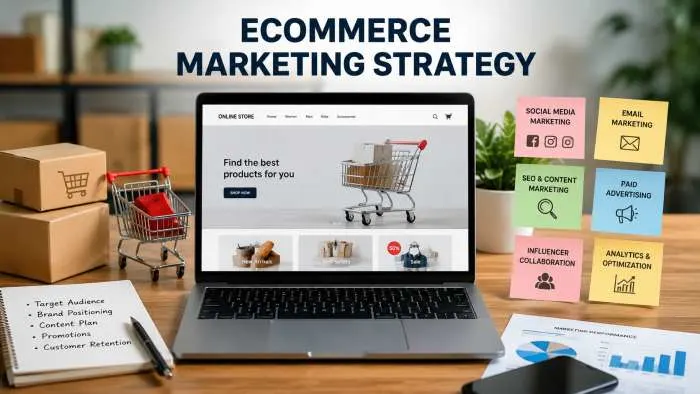
To get your store noticed and keep people buying your goods, you need an ecommerce marketing strategy that actually works. If you just guess or buy random ads, you will end up burning through your cash fast. Instead, you should focus on simple ways to guide buyers straight to your shop, like using free Google traffic, basic email notes, quick social media clips, and clear product pages.
This straightforward approach stops you from wasting money on platforms that do not make a profit. You can stop relying on pure luck and finally build a practical system that grows your sales week after week.
What are E-Commerce Marketing Strategies?
An ecommerce marketing strategy is a real, step-by-step plan for your retail website. It lets you see exactly where your dream buyers spend time online, how they choose products, and what makes them click your buy button. I have spent over ten years building and running busy digital shops.
In my time, I have learned one massive lesson: the most profitable stores never rely on just one single channel to stay alive. Instead, smart store owners build three or four different paths that lead directly to their checkout page.
When you sit down to create your own business plan, do not just guess what will work. Look closely at your current web numbers and see how people behave on your site. Look at what your main competitors do right and find the spots where they mess up.
Then, write down plain, clear sales goals for your brand. This honest, direct method keeps you from throwing your advertising budget down the drain on ads that do not bring back cash.
You may also read :- Online Marketing Updates Every Marketer Needs
The Core Pillars of Ecommerce Marketing and Advertising

If you want to run a highly profitable store, you must know the exact difference between e-commerce marketing and advertising. Marketing is the big, wide roof that covers your brand style, your customer care, and your free web traffic from search tools.
Advertising is just one tiny, paid slice of that huge puzzle. For example, it means paying cash for Google shopping slots or Instagram video clips. Both sides must join hands perfectly if you want to get the best possible return for every single dollar you spend.
Organic Traffic Generation
Organic web traffic means everyday shoppers stumble onto your store completely on their own through search tools. You do not have to pay a single penny for these web clicks. You earn this free traffic by writing excellent product details and typing out helpful articles that answer real customer questions.
Paid Media and Acquisition
Paid media gives your brand instant eyeballs across the web. You only pay a small fee when a real shopper clicks on your link. This paid approach includes quick video ads on social feeds, text search ads, and simple reminder ads that follow past website visitors around the web to bring them back.
Designing a High-Converting Ecommerce Marketing Strategy
Building a winning e-commerce marketing strategy takes a deep, clear understanding of the people who actually buy your goods. You can never simply guess what your customers want to see on their screens. You need to look at real facts, hard numbers, and true shop data to see how they act when they move from page to page.
First, fix your website speed and clean up your basic page design. If your retail site loads slowly, people will close the tab before they ever see your items. Make sure your checkout form takes very few steps to finish. After your site runs perfectly, you can start pushing traffic to it using your different promotional channels.
Search Engine Optimization for Online Retailers
Search engine optimization is the true, heavy backbone of long-term retail success on the web. When you optimize your digital store, you tell search tools exactly what items you have on your shelves. This clear data helps your store pop up at the very top of the search page when local people look for your items.
On-Page Optimization and Keyword Placement
Put your main search terms directly inside your product titles, web descriptions, and image labels. Write fresh, original text for every single item you sell on the web. Never copy the boring, generic descriptions that product manufacturers send out to every store on the internet.
Technical SEO and Site Architecture
Your online store must use a clean, simple setup from top to bottom. Group your individual items into clear, logical collections that make sense to a child. Use a basic navigation menu so both real shoppers and search bots can explore your pages without getting stuck in a loop.
Leveraging Content Marketing to Build Trust

Content is not just words on a page, it's the solution to the customer's most burning question, Marcus Sheridan, Retail Expert.
Content marketing helps you make a strong bond with buyers long before they ever pull out their wallets. If you are writing usefull and free guides, you are exhibiting true first hand knowledge of your industry.
Creating Helpful Product Guides
Create extensive product comparisons – or even a purchasing guide – for your users. If you are in the business of selling outdoor camping equipment, then write and post a thorough article on how to choose a tent that will stay dry on rainy days. If you give them helpful advice, you will have a lot of trust with your readers.
Video Content and Unboxing Experiences
Customers want to see how products will look in real life first before they pay their hard-earned cash. Make short and simple videos that demonstrate your products from all angles. Use these clips straight on your product pages and social feeds.
Maximizing Email Marketing and Automation
With email marketing you have a private, direct line of communication with your customers. You own your email list; it's not like a social media profile. No more the fear of missing out on your audience by changing the algorithm suddenly.
- Welcome Series: Send a friendly welcome letter to new subscribers and a special discount code.
- Abandoned Cart Flows: Send reminders to customers about items they "left in the cart.
- Post-Purchase Follow-Ups: Ask for honest product reviews and suggest matching items that go well together.
Set up these automatic message flows so your emails go out on their own based on what your shoppers do. This trick keeps your brand fresh in their minds.
Social Media Commerce and Influencer Partnerships
Social media apps act just like modern digital shopping malls today. People use these platforms to find cool new brands and purchase items without ever leaving the app.
Shoppable Posts and Social Stores
Set up official stores inside Facebook and Instagram. Tag your items directly inside your daily photos so users can buy them with just two quick taps. This removes extra steps and makes shopping fast.
Micro-Influencer Campaigns
Partner up with small, local online creators who have very active, chatty followers. These creators hold a lot of trust with their small fanbase. Their product reviews feel just like helpful advice from a close friend.
Advanced Advertising Tactics for Digital Stores
Paid ads help you grow your business at a very fast pace. To win the game of ecommerce marketing and advertising, you must test out different ad styles on a regular basis.
Keep a very close eye on your return on ad spend numbers. If a specific ad campaign does not make a clear profit after a week, change the pictures or target a completely different group of people.
FAQ
What is the most effective ecommerce marketing strategy?
You cannot rely on just one single trick to run a busy store. The smartest move is to pair free Google traffic with paid social media ads at the same time. Free search clicks bring you steady buyers for the long haul, while paid social posts grab quick sales today. Mixing them together keeps your cash flow safe and steady.
How much should I spend on ecommerce marketing and advertising?
If you just opened your doors, expect to pour 15% to 20% of your total revenue straight back into ads so people learn your name. Well-known stores that already have a fan base can safely drop that down to 5% or 10%. Always check your bank statements to ensure you take home a real profit after paying for ads.
How does email help my online business make money?
Emails bring in the highest return on your money compared to almost anything else. You get to land right in a shopper's inbox without worrying about crazy app algorithms blocking your view. It is the easiest way to remind folks about left-behind carts and turn one-time buyers into friends who come back every month.
Why must your shop work great on mobile phones?
Most people buy things on their phones today. They look for items while they relax at home or wait around in town. If your pages look messy or load slowly on a phone, shoppers get mad. They will leave your store right away and spend their money with someone else.
How can you tell if your marketing is actually working?
You just have to look at your store dashboard. Check how many web visitors turn into real buyers, look at your average sales total, and make sure your ads bring in more cash than you spend. When those numbers go up each month, you know your plan makes money.
Related Articles
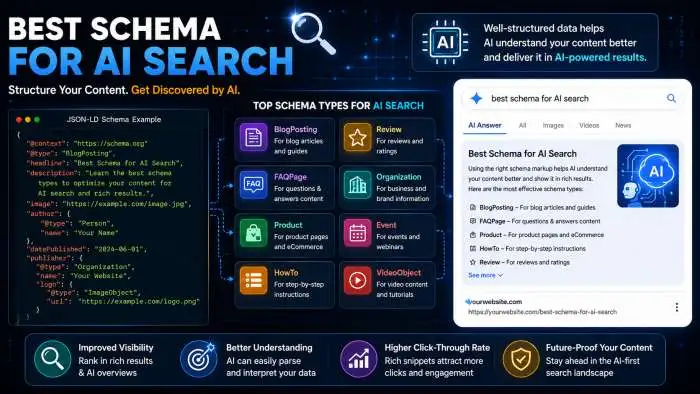
Best Schema Markup for AI Search: How to Get Your Site Cited by LLMs
If you want your content to appear in AI search results, you need to use schema markup. The best schema for AI search is a combination of Organization, Article, FAQPage, and Person schema. These help AI systems like ChatGPT, Google Gemini, and Microsoft Copilot understand...
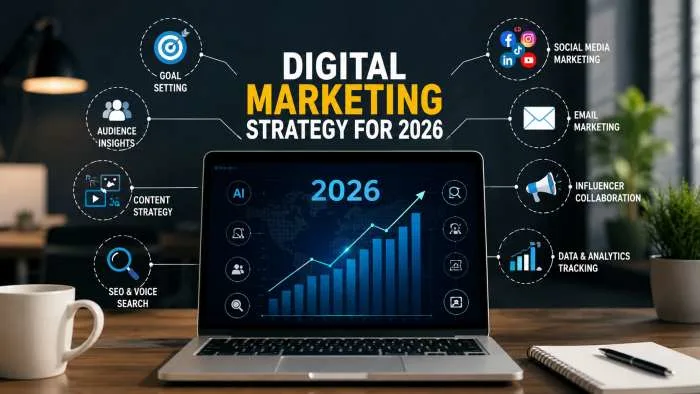
Easy Digital Marketing Strategy for 2026: Simple Ways to Grow Online
A digital marketing strategy for 2026 is just a well-defined strategy that outlines how you'll achieve your business Goal through online methods and channels. It's the pathway that will help your business reach those who need to know it, and grow your sales. This strategy is centered around who,...

Proven Customer Engagement Strategies to Drive Business Growth
A customer engagement strategy is your plan for building strong relationships with your customers at every step of their journey. It's not just about making a sale. It's about creating real connections that make people feel valued and heard . Think of it as the way you talk...