Let me be honest with you. When I talk to social media marketing for small business, most of them say the same thing "I post sometimes but nothing really happens." And that makes sense, because posting randomly is not social media marketing. It is just posting. There is a real difference between the two. And once you understand that difference, things start to click.
This guide covers everything a small business owner needs to know what social media marketing actually is, why it matters more than ever in 2026, and what you can do starting this week to get real results.
What Is Social Media Marketing?
Social media marketing means using platforms like Instagram, Facebook, YouTube, LinkedIn, or WhatsApp to reach people who might want to buy from you and then building enough trust that they actually do.
It is not about going viral. It is not about having thousands of followers. It is about showing up consistently in front of the right people and giving them a reason to choose your business over someone else.
For a small business, this matters a lot. You probably cannot spend lakhs on TV ads or billboards. But you can post a video on Instagram today and have 500 local people see it by tonight for free. That is the real power of social media marketing for small business. It levels the field between a small shop in Pune and a big brand in Mumbai.
You may also read :- Affiliate Marketing Tips for Beginners
Why the Importance of Social Media Marketing Has Only Grown

Five years ago, social media was helpful for small businesses. Today, it is almost impossible to grow without it. Here is why. People no longer search for a business and then trust it automatically. They look at your Instagram page. They read comments on your Facebook posts. They watch your reels. They decide if you are real, if you care about your customers, and if your product is worth buying all before they even contact you.
Your social media presence is now your first impression. Not your shop. Not your website. Your social page. The importance of social media marketing also comes down to cost. Running ads on Facebook or Instagram costs a fraction of what traditional advertising costs and you can target exactly the kind of person you want to reach. A bakery in Jaipur can show ads only to people within 5 km who like homemade cakes. That kind of precision was not possible before.
On top of that, social media gives you direct access to your customers. If someone leaves a comment or sends a DM, you can reply. That kind of two-way conversation builds trust faster than any advertisement.
Which Platforms Should a Small Business Focus On?
This is one of the most common questions and the honest answer is: not all of them. You do not need to be everywhere. You need to be where your customers are.
| Platform | Best For | Content Type |
|---|---|---|
| Local products, food, fashion, beauty, lifestyle | Reels, photos, stories | |
| Local services, older audience, community building | Posts, groups, ads | |
| YouTube | Education, tutorials, product demos | Long videos, shorts |
| B2B, consultants, professional services | Articles, posts | |
| Direct customer communication, offers | Broadcast lists, status |
For most small businesses in India, Instagram and WhatsApp are the starting point. Instagram for visibility, WhatsApp for direct connection with existing customers.
Social Media Marketing Tips That Small Businesses Can Use Right Now
Most social media advice online is written for big brands with full marketing teams. These tips are written for you a small business owner who does everything yourself or with a small team.
1. Show the People Behind the Business
People buy from people, not from logos. Show your face. Show your team. Show what happens in your shop or kitchen or office. A short video of you packing an order or explaining how you make your product will get more engagement than a polished graphic with a discount offer.
This is one of the most underused social media marketing tips for small businesses. Your story is your biggest advantage over big brands. Use it.
2. Post Consistently, Not Constantly
Posting every day is not the goal. Posting regularly is. Three good posts a week beats seven rushed ones.
Pick a schedule you can actually keep. Monday, Wednesday, Friday works for many small business owners. The point is to train your audience to expect content from you and to train the platform algorithm to show your content more often.
3. Use Local Language and Context
If your customers speak Hindi, Marathi, Tamil, or any regional language use it. A mix of English and your local language often performs better than pure English because it feels more personal.
Reference local events, festivals, and seasons. A sweet shop posting about Diwali boxes in October will always outperform a generic post about "premium gifting options."
4. Reply to Every Comment and DM
This sounds basic. Most businesses do not do it. When you reply to someone's comment, that person comes back. They tell others. The algorithm notices that your content is generating conversation and pushes it to more people.
Spend 15 minutes a day replying to comments and messages. It is one of the highest-return activities in social media marketing for small business.
5. Use Video Even If It Is Not Perfect
Reels and short videos consistently reach more people than photos or text posts on almost every platform. You do not need a camera. You do not need editing software. A phone and good natural light is enough.
Record yourself talking about your product for 30 seconds. Show a before-and-after. Give one useful tip. Post it. The video does not need to be perfect it needs to be real.
Understanding Social Media Marketing Services
At some point, many small business owners reach a wall. They know they need to be more active on social media, but they do not have the time or the skills to do it consistently. That is where social media marketing services come in. These are agencies or freelancers who manage your social media for you. They handle content creation, posting schedules, ad management, and sometimes customer replies.
If you are thinking about hiring someone, here is what to look for:
Ask to see real results. A good agency will show you which businesses they have worked with and what actually improved not just follower count, but sales enquiries, website visits, or footfall.
Start small. Do not sign a 12-month contract with a new agency. Start with 3 months, review the results, and then decide.
Stay involved. Even if you hire someone for social media marketing services, you still need to provide the real content your photos, your story, your customer feedback. No agency can make up what only you know about your own business.
Know the difference between organic and paid. Organic means the free content you post. Paid means running ads with a budget. Good social media marketing services should cover both and explain clearly what your ad money is doing.
How to Set Up a Simple Social Media Marketing Plan
You do not need a 30-page strategy document. You need a simple plan you will actually follow.
Here is a basic framework that works for most small businesses:
Step 1 Pick your platform. Start with one. Instagram for most product-based businesses. LinkedIn if you are a consultant or B2B service.
Step 2 Define your audience. Who are you trying to reach? Age, location, interest, income level. Be specific. "Everyone" is not an audience.
Step 3 Decide your content mix. A good rule of thumb: 50% educational or useful content, 30% behind-the-scenes or personal content, 20% direct promotion or offers. This ratio keeps people interested without feeling like they are being sold to constantly.
Step 4 Set a posting schedule. Three times a week minimum. Write it down. Treat it like a meeting you cannot miss.
Step 5 Track what works. After 30 days, look at which posts got the most reach, saves, or DMs. Make more content like those.
Common Mistakes Small Businesses Make on Social Media
Knowing what not to do is just as important as knowing what to do.
Only posting promotions. If every post is "Buy now" or "Offer valid till Sunday," people stop following you. Give them something useful first.
Using stock photos. They look fake. People know immediately. Your own photos even phone photos are always better.
Ignoring comments. If someone takes time to comment and you never reply, they will not comment again.
Giving up too early. Social media takes time. Most small businesses quit after 6 weeks because they do not see results. The ones who stay consistent for 3 to 6 months almost always see a real difference.
Copying big brand content. Your voice is different. Your story is different. Copying Zomato's content style does not work for a local restaurant because you are not Zomato. Be yourself.
Does Social Media Marketing Actually Drive Sales?
Social media builds what is called a "warm audience." These are people who have seen your content, know who you are, and trust you a little. When they need what you sell, they think of you first. That is how social media marketing drives sales for small businesses not always with one viral post, but through consistent presence over time.
Direct results also happen. A well-placed Instagram story with a "DM to order" can generate orders the same day. A Facebook post about a new product can bring people to your shop that weekend. A WhatsApp status with a limited offer can sell out stock in hours.
The businesses that see the best results are the ones that combine organic content with small, targeted paid ads. Even Rs. 200 to Rs. 500 a day on a well-targeted Facebook or Instagram ad can produce real enquiries for a local business.
Final Words
Social media marketing for small business is not complicated. But it does require consistency, honesty, and patience. You do not need to be a marketing expert. You need to show up regularly, talk to your audience like real people, and share what makes your business worth choosing.
The importance of social media marketing will only grow from here. The businesses building their presence today are the ones that will have a real advantage in the next two to three years.
Related Articles
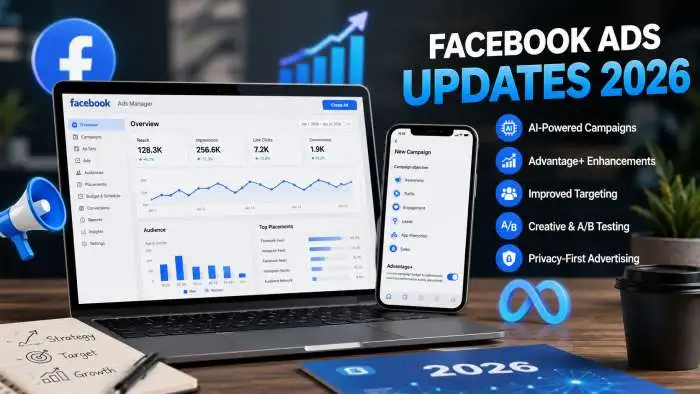
Facebook Ads in 2026: 7 Major Meta Updates You Can't Ignore
The facebook ads updates 2026 focus on artificial intelligence, playful ad formats, and greater control for advertisers. Meta is consolidating targeting options while expanding generative AI tools, introducing AR ads and video polls, and adding new features like profit-based ROAS optimization and dayparting. The platform is shifting toward automated...
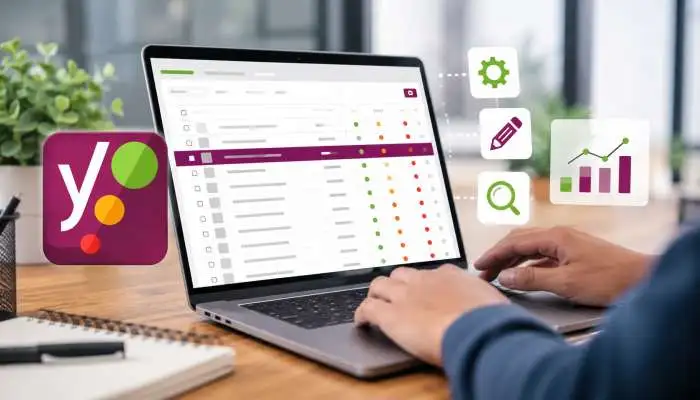
Use the New Yoast SEO Bulk Editor to Speed Up Optimization
Managing SEO for a large website often feels like a never-ending task. With hundreds of posts, pages, or products, updating SEO titles and meta descriptions one by one is a huge time drain. The New Yoast SEO Bulk Editor solves this problem by allowing you to manage...
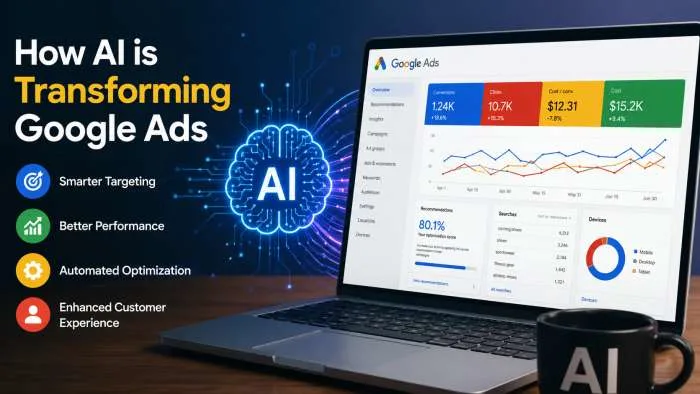
How AI is Transforming Google Ads: The Ultimate Marketer’s Guide
AI is fundamentally changing Google Ads. It moves the focus from manual keyword management to guiding smart systems. This transformation means you now work as a system optimizer, not just a bid manager . The core change involves using AI to improve how you reach customers...