
To land your site in Google's AI Overview, your core SEO priorities for AI search must focus on front-loading direct answers, proving real-world brand authority, and building clean schema maps. Modern search engines use smart models to serve direct summaries right on the results page. To beat this change, you have to publish unique data, use clear headers, and solve user intent in seconds. Winning today means skipping basic keyword stuffing and building deep, human-proven topic authority that AI platforms can easily point to and credit.
The New Era of Search Engines
Search looks totally different today. We do not just click a list of blue links when we look up a question on our phones. Instead, smart engines read the web for us and give a full response right at the top.
You need an aggressive AI search SEO strategy to stay ahead of the game. This strategy changes how your website communicates with both real readers and crawling bots. If you want customers to discover your brand online, you must change how you type your articles.
I have spent years watching Google change its rules. This update is by far the biggest shift yet. But do not panic. Your traffic can still spike if you change your approach right now.
You may also read :- Google AI Overviews: Strategies to Rank in AI Search
6 Essential SEO Priorities for the AI Search Era

To keep your organic traffic numbers climbing, you need a highly focused plan. Focus on these six big areas to keep your site growing.
1. Direct Answer Optimization (AEO)
Answer Engine Optimization, or AEO, is simply about cutting out the fluff. AI systems want facts immediately. They hate digging through a five-paragraph back-story. State the exact core answer in your very first sentence.
- Give the reader the "What, Why, and How" in one look.
- Make important text stand out with bold styling.
- Stick to straightforward language.
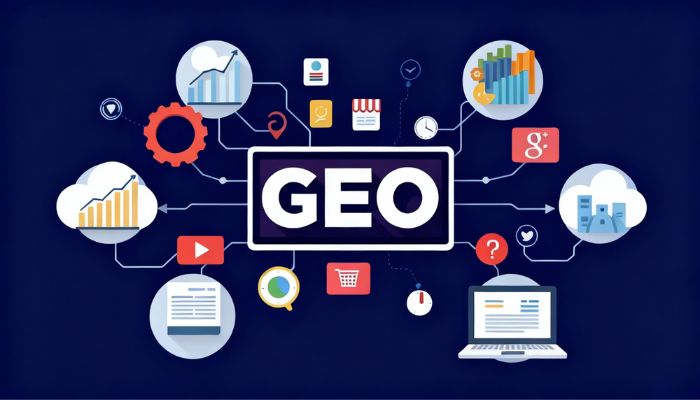
2. Generative Engine Optimization (GEO)
Generative engines build custom paragraphs by mixing data from different websites. To get mentioned by these tools, you need hard numbers and true quotes from industry experts. Give the web unique case studies that nobody else can duplicate.
3. Artificial Intelligence Optimization (AIO)
An AI search SEO strategy requires your site to be easily readable for complex machine learning programs. Clean up your raw code, speed up your hosting, and fix broken tags. If a crawling bot gets confused by your theme layout, it will leave your page instantly.
4. Build Real Brand Authority (E-E-A-T)
Real life experiences matter more than software-generated text. Tell your own stories, display your failures, and share the lessons you learned the hard way. AI cannot fake actual human work. Explain to your audience exactly how you solved a tough industry problem.
5. Use Clear Structured Data
Think of schema markup as a direct blueprint for indexing bots. It explains to a computer exactly what your business offers. Always drop product schema, review schema, and local business data onto your pages.
6. Target Long-Tail Conversational Queries
Regular people do not just type two short words into a search bar anymore. They speak directly to their devices like they are chatting with a coworker. They use long sentences. Your text must match these normal talking habits.
How to Optimize SEO for AI Search?
To start outranking your competitors, change how you structure your daily drafts. Go back and review your old blog posts. Check if you answer the main question instantly or if you hide the true value down at the bottom of the page.
Old Strategy: Long Intro -> Topic History -> Keyword Lists -> Answer at Footer
New AI Search Way: Quick Answer -> Value Analysis -> Implementation Steps -> Expert Validation
Get into the habit of dropping your definitive response in the first hundred words of your document. This setup makes it incredibly easy for an automated bot to scrape your text and display it as a featured snippet.
Deep Dive into SEO Priorities for AI Search
Understanding Machine Citations
When an AI engine prints an answer, it adds tiny link icons right next to the sentences. You want your domain to be that clickable link. The algorithms pick sources that look secure, honest, and highly specific.
"We look for content that provides deep utility. If a page answers a specific user pain point with absolute clarity, it becomes highly citable for modern search systems." — Sarah Jenkins, Search Systems Architect
Why User Intent Wins Every Time?
You have to realize exactly why a person typed a query. Are they looking to buy a tool right this second, or are they just looking for a guide? Fit your vocabulary to their exact situation.
SEO Strategies for Generative AI Search
Create Content Hubs
Stop publishing random, unconnected articles on your site. Build a tight network of posts that focus heavily on one single topic. Link them together naturally so the search bots view your brand as a true master of that niche.
Write Like a Helpful Teacher
Drop the confusing corporate jargon that makes readers close the tab. Talk like a friendly neighbor who just happens to know a ton about technology. This conversational approach builds quick trust and keeps eyes on your site longer.
Monitor Your Bot Traffic
Check your hosting panel logs every single month. Look closely at which automated scrapers visit your pages. This step reveals whether platforms like OpenAI or Google are indexing your new information.
The Shift From Keywords to Entities
Modern search software does not just look at isolated, individual words anymore. They study entities, which mean actual people, physical places, and tangible things. They map out how these separate entities connect to one another.
- Link your business name to known industry trade groups.
- State your physical headquarters and address clearly.
- Stick to standard industry terminology across your site.
When you create strong, clear connections between your personal brand and trusted web topics, search engines naturally upgrade your rankings.
Common Mistakes to Avoid in Modern SEO
A lot of site owners make the mistake of using automated tools to spin out thousands of low-quality articles. This habit will ruin your visibility. Search platforms can spot cheap text patterns effortlessly.
Another error is burying your data inside massive blocks of text. If a user has to read for four minutes just to find a simple price or a date, they will hit the back button. The AI tracking tools notice that quick exit and lower your authority.
Summary of Action Steps
| Priority Area | Action Step | Target Goal |
| Answer Structure | Put direct answers in paragraph one | Higher snippet views |
| Data Integrity | Add true stats and real expert quotes | More AI citations |
| Backend Code | Add clean schema code to every page | Better bot crawling |
| Tone and Style | Use simple sentences and conversational text | High readability scores |
Frequently Asked Questions
What are the main SEO priorities for AI search?
The main priorities are fast answer delivery, logical article layouts, clear entity authority, and high readability. You need to make your text incredibly easy for both human eyes and machine bots to process instantly.
How do I optimize my website for AI search overviews?
You optimize your pages by placing a clear summary paragraph right at the very top of your text. Use bold text on key phrases and arrange your data with clean HTML headings so bots can parse it quickly.
Will traditional keyword research die because of AI?
No, keyword research is not dying, but it is definitely evolving. You have to spend more time targeting conversational phrases, long-tail questions, and user intent instead of tracking single words.
What is the role of E-E-A-T in the new search landscape?
E-E-A-T stands for Experience, Expertise, Authoritativeness, and Trustworthiness. It proves to search engines that a real person with genuine hands-on knowledge created the page, which software cannot copy.
How often should I update my content for AI search engines?
You should refresh your top landing pages the second industry facts change or new data drops. AI search algorithms prioritize highly accurate information and reward platforms that keep their data fresh.
Related Articles
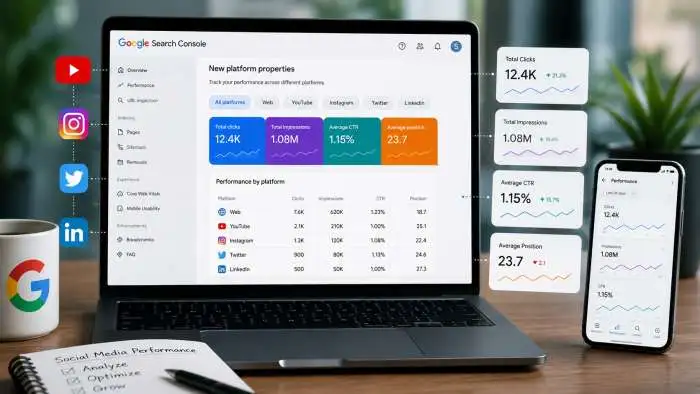
Track Your Instagram, TikTok and YouTube Traffic in Google Search Console
Imagine seeing exactly what people search for on Google before they find your TikTok video or Instagram Reel. That is now possible. Google's new platform properties for Search Console give you this superpower. This feature connects your social media accounts to Search Console. You can...

How Do You Optimize for AI Search? Essential Strategies Explained
If you want to know how to optimize for AI search, here is the simple answer: focus on creating clear, helpful, and well-structured content that answers real questions. AI systems like ChatGPT, Google's AI Overviews, and Perplexity look for content that is easy to understand, trustworthy,...

Local GEO Baseline Audit Guide: Benchmarking AI Visibility
Are you invisible to AI? A local GEO baseline audit shows exactly how AI tools like ChatGPT, Gemini, and Perplexity see your business. This audit is the starting point for all your AI search efforts. You will benchmark your current visibility, find data errors, and learn how...