
Last Tuesday, my neighbor knocked on my door. He held up his phone. "Look at this," he said. "I searched for 'how to fix a dripping faucet,' and this website told me to call a plumber. I just wanted to know if I could fix it myself." He closed the page. He clicked the next result. That next website showed him step-by-step pictures. He fixed his faucet in twenty minutes.
That second website understood something the first one missed completely. They understood why he was searching in the first place. Let me show you what that means for your own website or blog. Because this one thing understanding search intent separates websites that grow from websites that stay stuck.
What is Search Intent?
Search intent shows the real reason behind a person's search. When someone types "best running shoes," they want recommendations, not a history lesson on shoes. You figure this out by looking at the words they choose and what shows up first in search results.
Google built its empire on guessing this intent right. Early search days meant keyword stuffing worked, but now engines read deeper. They spot if you sell shoes or teach about them. Match the intent, and your page climbs ranks. Ignore it, and you stay buried.
Think of a mom searching "baby sleep tips." She craves quick fixes from real parents, not sales pitches. Content that delivers steps and stories wins her click and trust.
You may also read :- Technical SEO Audit: Complete Step-by-Step Guide
Why Is Search Intent Important in SEO?

Search engines reward sites that nail user needs. Why is search intent important in SEO? It tells Google your page solves problems, so they push it higher. Users stay longer, click less on back buttons, and return often.
Businesses see traffic double when they align content this way. One study showed pages matching intent get three times more clicks. Bounce rates drop too, signaling quality to algorithms.
You build trust fast. Readers finish your post, share it, or buy from you. Over time, this boosts your site's authority. Search engines notice and favor you in more results.
Types of Search Intent
Four main types guide most searches. Know them, and you pick the right content style every time.
- Informational intent: Users seek answers or knowledge. Queries like "how to tie a tie" or "what causes headaches" fit here. They want guides, lists, or explanations.
- Navigational intent: People hunt a specific site or page. "Facebook login" or "Nike homepage" point straight to brands. Your goal matches their exact spot.
- Commercial investigation intent: Shoppers compare before buying. "iPhone 15 vs 16" or "best coffee makers 2026" show they research options. Reviews and comparisons shine.
- Transactional intent: Ready-to-buy mode. "Buy running shoes online" or "download free PDF editor" screams action. Product pages with clear buy buttons convert best.
| Type of Search Intent | Example Query | Best Content Match |
|---|---|---|
| Informational | What is search intent? | How-to guides, blogs |
| Navigational | YouTube login | Direct links, homepages |
| Commercial | Best laptops under $1000 | Comparison tables, reviews |
| Transactional | Order pizza near me | Checkout pages, stores |
Mix these in your strategy. A single keyword often blends types, so test what ranks.
Why Search Intent Goes Beyond a Basic Type
One label rarely covers it all. Why search intent goes beyond a basic type comes down to people. A query like "apple" could mean fruit recipes, company news, or store locations. Context shifts everything.
Users mix goals mid-search. Someone starts with "keto diet basics" informational, then pivots to "buy keto meal kit" transactional. Google tracks this journey and serves layered results.
Your content must adapt. Top pages answer the main intent but sprinkle extras. Add a buy link in a guide, or an FAQ in a review. This keeps visitors engaged across their path.
Real talk from marketers: Ignore layers, and you lose half your audience. They click away frustrated. Layered content turns one-time readers into loyal fans.
Also read :- 8 Free Keyword Research Tools for SEO That Beat Their Paid Alternatives
How to Identify a Keyword’s Search Intent

Spot intent fast to save hours. Start simple, then dig deeper. You build a habit that sharpens your SEO edge.
Study the Query’s Language
Words reveal goals. Questions like "what is" or "how to" scream informational. Words such as "buy," "order," or "deal" signal transactional. "Best" or "top 10" means commercial.
Order matters too. "Dog food ingredients" lists facts; "ingredients for dog food" sparks recipes. Numbers like "$500 laptops" narrow commercial hunts.
Practice daily. Jot notes on 10 queries. Patterns jump out quick.
Use a Tool
Tools speed this up big time. Type keywords into Google itself first. Scan top results: Videos mean tutorials; lists signal comparisons; shops show transactions.
Free options like Google Suggest or Related Searches hint at intent. Paid ones like Ahrefs or SEMrush graph full SERPs. They label intent and show formats that win.
Pro tip: Check mobile vs desktop. Mobile leans transactional; desktop favors deep reads.
| Method | Pros | Cons |
|---|---|---|
| Query Language | Free, instant | Needs practice |
| SERP Analysis | Shows real winners | Time on each keyword |
| Tools (SEMrush) | Data-driven, scales | Costs money |
Combine them. Language spots basics; SERPs confirm.
How to Optimize for Search Intent
Optimization turns knowledge into rankings. Focus on what users crave, not tricks. Results follow naturally.
Use the Dominant Content Format
Match what tops SERPs. All blog posts for "how to"? Write one. Videos rule "workout routines"? Embed yours. Google favors formats users love. Lists beat walls of text. Tables clarify comparisons. This boosts dwell time and shares.
Example: "Coffee maker reviews" tops with roundups. Copy that structure, add your voice.
Consider the Full Intent
Go beyond surface. Answer the query, then extras. "Best running shoes" needs picks, plus sizes, prices, and care tips. Link related posts. Add a table of winners. Cover pain points like "shoes for wide feet." Users love completeness. They bookmark, return, and link you.
Make Your Content Easy to Read and Digest
Short paragraphs breathe easy. Bold key phrases. Use bullets for steps. Headings guide scans. Images break text. Aim for 8th-grade level words. Readers finish fast, grasp more. Google marks this as helpful. Test readability. Tools score your piece. Tweak till it flows like chat.
Real-World Wins from Matching Search Intent
Take a fitness site. They targeted "home workout no equipment." Old posts listed exercises; new ones added timers, progress trackers, and video demos. Traffic jumped 150% in months. E-commerce stores thrive too. "Buy wireless earbuds" pages with reviews, specs tables, and fast checkout convert 40% better.
Story from a small blog: Owner studied "easy vegan recipes." Shifted from long intros to 15-minute meals with photos. Rankings hit page one, subscribers grew. You see patterns. Intent-first content builds momentum. Start small, scale up.
Common Mistakes and Fixes

Rookies chase volume keywords blind. Fix: Pick 5 with clear intent first.
Stuffing keywords kills flow. Fix: Weave natural, once per section.
Forgetting mobile. Fix: Short sentences, tap-friendly buttons.
Track with Google Analytics. See what works, double down.
FAQ
What are the types of search intent?
Four types exist: informational for learning, navigational for sites, commercial for research, and transactional for purchases.
Why search intent goes beyond a basic type?
Queries layer multiple goals based on user context. Smart content covers bases to keep readers hooked.
How to identify a keyword’s search intent?
Study query words and SERPs. Tools like SEMrush confirm patterns fast.
Study the query’s language – how?
Look for "how," "buy," "best." These signal intent clearly.
Use a tool – which ones?
Google SERPs free; Ahrefs or SEMrush for deep dives.
How to optimize for search intent?
Match top formats, cover full needs, keep it simple and scannable.
Use the dominant content format – why?
It mirrors what users expect and Google promotes.
Consider the full intent – tips?
Add extras like FAQs, links, tables for complete satisfaction.
Make your content easy to read and digest – how?
Short lines, headings, bullets. Test for flow
One Last Thing Before You Go
Search intent is not a trick. It is not a hack. It is not some advanced SEO secret that only experts understand. It is simply this: people come to Google because they have a problem. They type that problem into the search box. They click on a result that sounds like it will help. And then they decide within a few seconds whether you actually helped or just wasted their time.
When you take the time to understand search intent, you stop wasting their time. You give them answers. You solve their problem. You become the website they remember and come back to.
And when you do that over and over, Google notices. Your rankings go up. Your traffic grows. Your readers trust you.
Related Articles
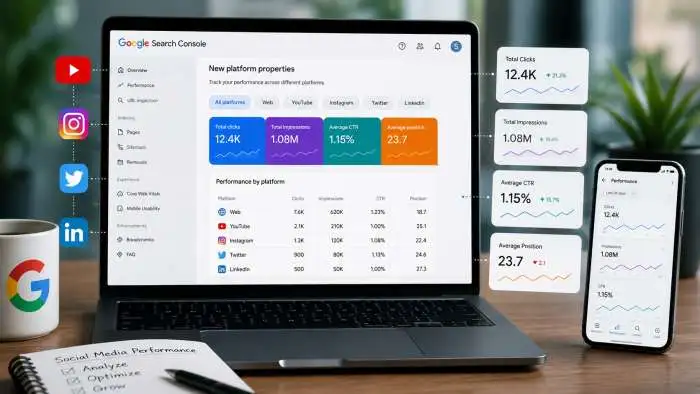
Track Your Instagram, TikTok and YouTube Traffic in Google Search Console
Imagine seeing exactly what people search for on Google before they find your TikTok video or Instagram Reel. That is now possible. Google's new platform properties for Search Console give you this superpower. This feature connects your social media accounts to Search Console. You can...

How Do You Optimize for AI Search? Essential Strategies Explained
If you want to know how to optimize for AI search, here is the simple answer: focus on creating clear, helpful, and well-structured content that answers real questions. AI systems like ChatGPT, Google's AI Overviews, and Perplexity look for content that is easy to understand, trustworthy,...

Local GEO Baseline Audit Guide: Benchmarking AI Visibility
Are you invisible to AI? A local GEO baseline audit shows exactly how AI tools like ChatGPT, Gemini, and Perplexity see your business. This audit is the starting point for all your AI search efforts. You will benchmark your current visibility, find data errors, and learn how...