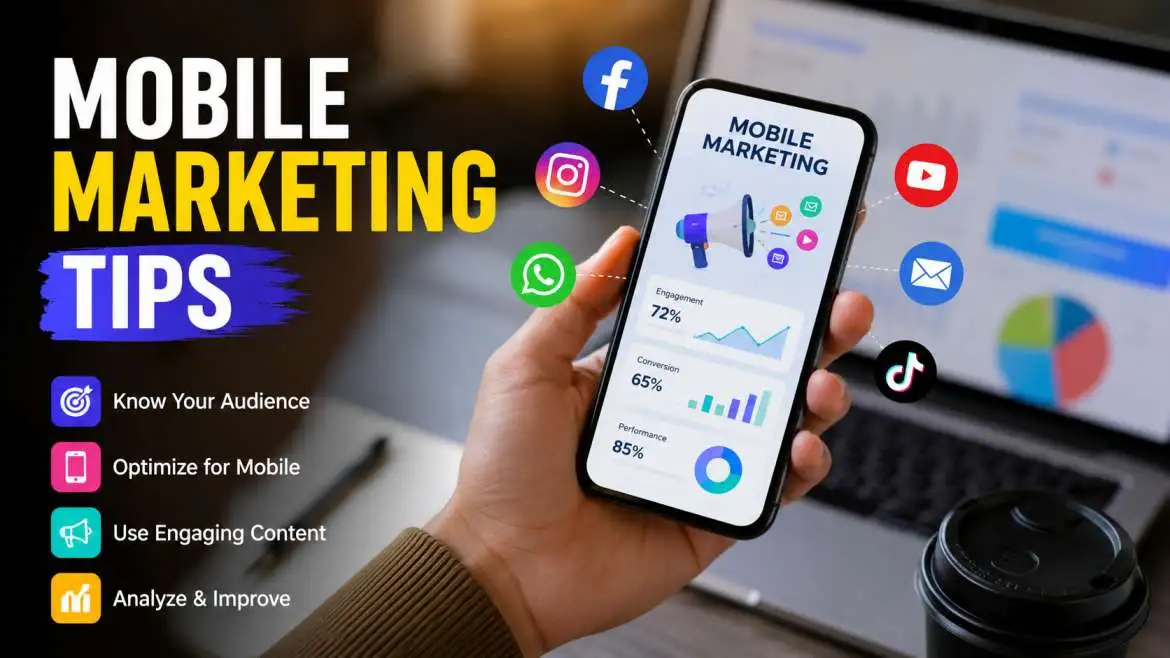
To cut to the chase: mobile marketing tips enable you to reach customers in their own context: on their phone. For 2026 that involves developing quick, convenient and personal experiences for those who rely on their phones for virtually anything, be it social media or product purchases. This guide will help you create a powerful mobile presence that draws, engages and retains customers, with simple and time-tested strategies. We'll discuss the fundamental mobile marketing strategies that are effective right now and based on the latest facts and expert advice.
Core Mobile Marketing Strategies for Success in 2026
Mobile marketing is more than just having a website you can view on a phone. It's a complete strategy for reaching people where they spend most of their time. The number of smartphone users keeps growing, and they use their devices for nearly everything . To succeed, your business must be ready to meet them there. These core mobile marketing strategies will help you build a strong foundation.
Mobile Marketing Tips: Optimize Your Website First
Your website is your digital storefront. For most people, it's the first place they interact with your business on their phone. So, it must be mobile-friendly. Here is the most important of our mobile marketing tips:
- Make it fast. People are impatient. If your site takes more than a few seconds to load, visitors will leave and find a faster option. In fact, 62% of mobile pages in 2025 achieved a "good" Largest Contentful Paint score, a key measure of loading speed, so you need to be in that group to stay competitive .
- Make it easy to use. Use a simple, clean design. Buttons should be big enough to tap with a thumb. Text should be large enough to read without squinting. A "burger menu" (the three horizontal lines) can help keep your navigation clean and simple .
- Keep paragraphs short. Big blocks of text are scary on a small screen. Limit your paragraphs to just a few sentences. This makes your content easier to scan and read .
Embrace the Power of SMS Marketing
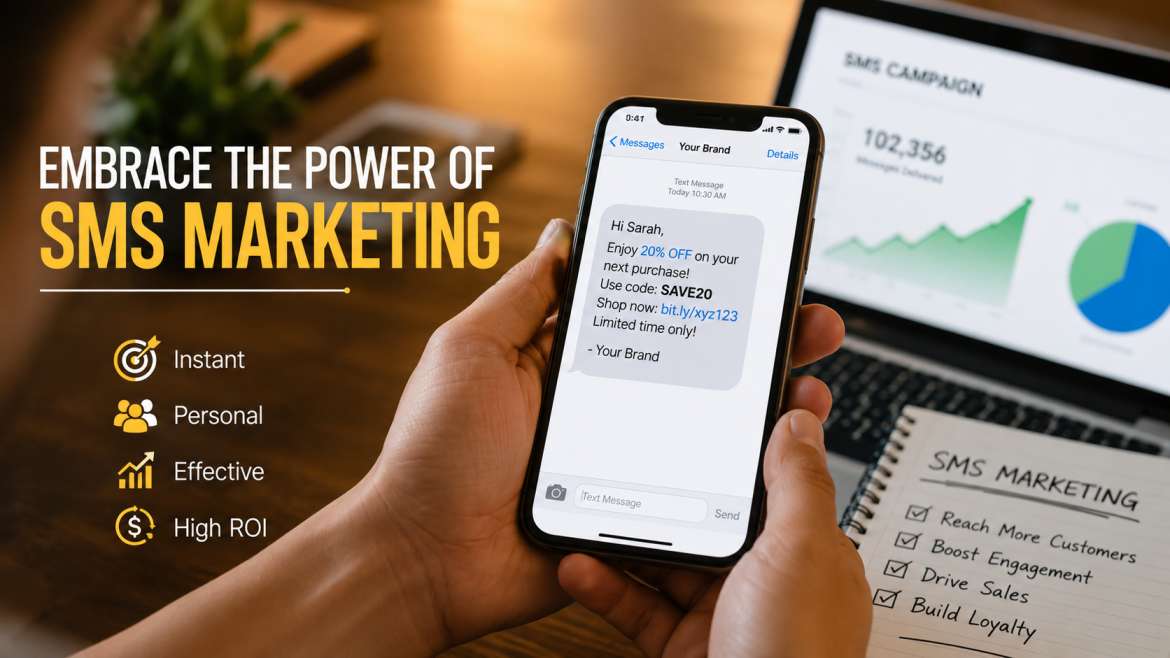
Text messaging is one of the most powerful tools in your mobile marketing toolkit. It offers a direct line to your customers. People look at text messages almost instantly. SMS boasts an average open rate of 98%, which is much higher than email . But great power means great responsibility.
- Get permission first. You should always get a customer's clear "opt-in" before sending them marketing texts. Be honest about what you'll send and how often. This builds trust and keeps you out of legal trouble .
- Keep it short and clear. A text message has a limit. Get straight to the point and include a strong call to action like "Click here to get your 20% off" .
- Respect their time. Don't send messages late at night or too early in the morning. Also, don't overdo it. Sending too many messages is annoying and will lead people to opt out .
Leverage Social Media for Mobile Engagement
Social media is a mobile first world. Most people are on social media sites such as Facebook, Instagram and TikTok on their phones. These apps have become the place to discover, connect and engage with brands and brand community. Your social media posts ought to be tailored to the mobile customer.
- Be sure to pay attention to short video. Most users watch content on their phones primarily from a vertical video format. Social media apps such as TikTok, Instagram Reels, and YouTube Shorts are ideal for this. Hook your audience in the first few seconds to get their attention .
- Be consistent. Consistently posting helps to keep people engaged. Try to make at least one post per day and ensure that each of your posts is valuable to your readers. Give them something to learn, make their laugh, or inspire them!
- Use strong visuals. The posts you make should be interesting to look at. Include good pictures and videos and avoid unnecessary text. The call to action is very crucial.
Advanced Mobile Marketing Tips: Level Up Your Strategy
After you get the fundamentals, you can see some of the more evolved mobile marketing tips. These tactics can enable you to tailor your marketing to individual buyers and connect with them in fresh and potent methods.
Mobile Marketing Tips: Personalization is Key
Customers today expect personalization. They want to feel like you know them and their preferences. Mobile devices give you amazing tools to deliver relevant and timely messages. Here are some mobile marketing tips for personalization:
- Use location-based marketing. You can send special offers or information to customers based on where they are. For example, a retail store could send a coupon to someone who is nearby. This is called "geofencing," and it's a powerful way to bring in foot traffic .
- Track user behavior. Use data to understand how your customers interact with your website or app. Use that insight to make your marketing more relevant. For example, send a push notification to someone who looked at a product but didn't buy it, reminding them about the item.
- Send personalized recommendations. Suggest products or services that a customer might like based on their past purchases or what they've looked at before. This is a common technique used by online stores to increase sales .
Use QR Codes to Bridge the Online and Offline Worlds
QR codes can be used to provide easy access to your digital content. They're straightforward to use. A QR code is a two dimensional code that when scanned using the phone camera, sends the user to a website, video, or special offer. These are making a comeback as a mobile marketing tool.
- Place them everywhere. Use QR codes on your business cards, flyers, product packaging, and even in your windows. This is a seamless experience for your customers to engage with your brand both online and offline.
- Pay off their bank accounts. Provide a motivation for people to scan your code. Provide a discount, free gift or special content. Make sure it's clearly known what they will receive, such as “Scan and get a free coffee”.
- Always test your code. Before you print anything, test your QR code on different phones to make sure it works perfectly. This ensures a smooth, frustration-free experience for your customers .
3: Develop a Mobile App (If It Makes Sense)
For some businesses, creating a dedicated app can be a great move. An app offers a faster, more personalized experience and can help build strong customer loyalty . However, it's not right for everyone.
- Take your business objectives into account. Apps can be a lot of time and money. If it doesn't help your business and your customers, then it doesn't make sense to make. What do you have to add to an app that you don't have on your mobile website?
- Take the user experience into account. If you've developed an app, it should be outstanding. It should be quick, simple to use, and include special features such as push notifications, loyalty or other mobile payment-integrating options.
- Promote your app. Your app needs to be advertised and made known to people and why they should install it. Encourage it through your marketing materials, social media platforms, and in your store. While apps can be a costly endeavor, some businesses are willing to invest in the success for the rewards they offer.
The Advantages of Mobile Marketing: Why It Matters
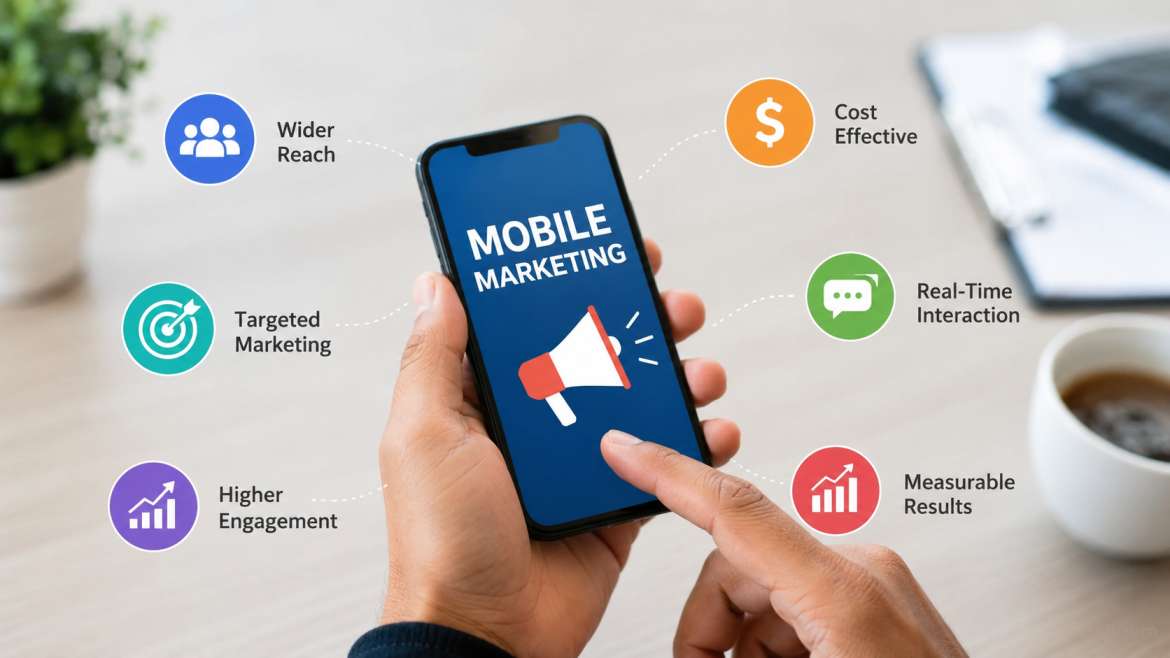
Why put so much effort into mobile marketing? Because the advantages of mobile marketing are huge. These benefits can change the way you connect with your customers and grow your business.
Unmatched Reach and Engagement
- You can reach people everywhere. People carry their phones with them all the time. Mobile marketing lets you connect with your audience wherever they are, at any time of day .
- It's instant. You can send a push notification or text message and have it seen within minutes. This allows for real-time engagement, which is very powerful .
- People spend a lot of time on their phones. In the U.S., the average person spends about four and a half hours on their phone every day . This is a huge opportunity for your business to be part of their daily life.
Cost-Effective and High ROI
- It is often more affordable than traditional media. Mobile marketing can be a very cost-effective way to reach your audience. It often provides a higher return on investment compared to methods like print or TV ads .
- Targeting reduces waste. You can target your mobile ads to very specific groups of people based on their location, interests, and behavior. This means your marketing budget is being spent more effectively, reaching people who are more likely to be interested in your product or service .
Build Stronger Customer Relationships
- Personalization creates loyalty. When you send a personalized message that feels relevant to a customer, it builds a connection. They feel valued and understood, which increases loyalty.
- Direct communication is powerful. Channels like SMS and in-app messaging allow for two-way communication. This direct line helps you build a real relationship with your customers by listening to their feedback and solving their problems quickly .
Mobile Marketing Tips: Common Mistakes to Avoid
Learning from the mistakes of others can save you a lot of frustration. Here are some common pitfalls in mobile marketing and how you can avoid them.
Don't Treat Mobile Like a Smaller Desktop
This is still a big mistake. Mobile is a completely different environment with its own rules and user behaviors. Marketing campaigns designed for a desktop computer often fail on a phone because they don't account for the user's context or the device's limitations .
- Avoid small fonts and buttons. If your customers can't read your text or tap your buttons, they will leave your site quickly.
- Don't use intrusive pop-ups. These are incredibly annoying on a mobile device. They cover the whole screen, are hard to close, and send your bounce rate through the roof .
Stop Overwhelming Your Audience
Less is often more in mobile marketing. A common mistake is sending too many messages, whether it's through push notifications, emails, or texts. This feels like spam and will drive customers away from your brand .
- Don't send content just for the sake of it. Every single message you send should have a clear purpose. It should be relevant and provide value to the customer .
- Respect the unsubscribe. Always include a simple and clear way for people to opt out of your messages. If they want to stop receiving messages, you have to make it easy for them to do so.
Relying on the Wrong Data for Personalization
Personalization is great, but only if it's accurate. Some brands still rely on third-party data to try and personalize the customer experience. This data can be old or wrong, which can lead to messaging that is tone-deaf and even offensive .
- Build your own data. Focus on collecting first-party data directly from your customers with their permission. This data is more valuable and accurate because it comes straight from your audience.
- Be transparent about your data use. Explain to your customers in plain language what data you collect and why. This is not only a legal requirement in many places, but it also builds a foundation of trust .
You may also read :- What Are the Major Mobile Marketing Trends in 2026? Full Guide
Measuring Your Mobile Marketing Success
How do you know if your mobile marketing efforts are working? You have to track your results. Key metrics will tell you what's working and what needs improvement.
Key Performance Indicators (KPIs) for Mobile
- Mobile Traffic Share: What percentage of your total website visitors are coming from a mobile device? This shows you how important mobile is for your audience .
- Conversion Rate: This is the percentage of mobile visitors who complete a desired action, like making a purchase or signing up for a newsletter. It's the most important metric for measuring success .
- Click-Through Rate (CTR): In your ads or emails, this is the percentage of people who click on a link. A high CTR indicates that your messaging is effective .
- App Engagement Metrics: If you have an app, track things like active users, time spent in the app, and retention rates. Are people finding your app valuable enough to keep using it?
Use Analytics Tools
- Google Analytics (GA4): This is a free and powerful tool that can give you a huge amount of data about your mobile traffic and user behavior. It's essential for any serious marketer .
- Mobile App Attribution Platforms: If you have a mobile app, tools like AppsFlyer or Adjust can help you track where your app downloads are coming from and how users behave once they're inside the app .
- A/B Testing: Never stop testing. Try different ad creatives, subject lines, or calls to action to see what performs best. A/B testing is a proven way to consistently improve your results over time .
Expert Quotes and Opinions
"Mobile is the primary channel through which customers experience your brand, often long before they see it anywhere else." – This simple truth from industry experts highlights that a mobile-first mindset is no longer optional; it is the starting point for all modern marketing.
There are a lot of common mistakes that many experts warn against as well. One diabolical mobile marketing tactic, according to one Forbes Councils member, is "overloading users with push notifications, which can cause customers to become annoyed and delete your app. The trick is to deliver information that is of value, not noise.
Frequently Asked Questions
Q: What is the single most important mobile marketing tip?
The No.1 mobile marketing tip – think about the user experience. The first step is to have a fast, responsive and easy-to-navigate mobile website. Unless your site is usable on a phone, it will not be as effective as you would like.
Q: What are the main advantages of mobile marketing?
The greatest benefit of mobile marketing is that almost everyone has a mobile phone and that it is also much more cost effective than traditional advertising, and can send instant, personalized messages that contribute to excellent customer relationships.
Q: How does SMS marketing compare to email marketing?
SMS generally has a much higher open rate than email. A typical email open rate is about 20%, and SMS messages have open rates of 98% or more, which is a more direct and immediate means of reaching customers.
Q: Is developing a mobile app necessary for a small business?
A: Not always. An app costs a lot of money. It's best suited for companies that have a specific value proposition that can be delivered with an app (Loyalty programme, Booking system, etc., convenient shopping experience which you can't achieve on a website).
Related Articles
What Are the Major Mobile Marketing Trends in 2026? Full Guide
Mobile marketing is changing how brands connect with people. Mobile marketing trends in 2026 show a big move toward smart tools, fun videos, and easy shopping on phones. People use their phones more than computers now, so brands must focus on phones first. This guide...
How to Do WhatsApp Marketing: Ultimate Step-by-Step Guide
Honestly, WhatsApp marketing works so well because you're reaching people where they already spend all their time. But look, you can't just start blasting messages out of nowhere—you absolutely need their permission first. Once you've got that down, it’s just a matter of picking the...
Low-Budget App User Acquisition: How to Grow on a Dime
Getting people to download and use your app is called app user acquisition. It is the lifeblood of any mobile business. Without new users, even the best app will fail. This guide explains everything you need to know. We will cover what it is, how much...