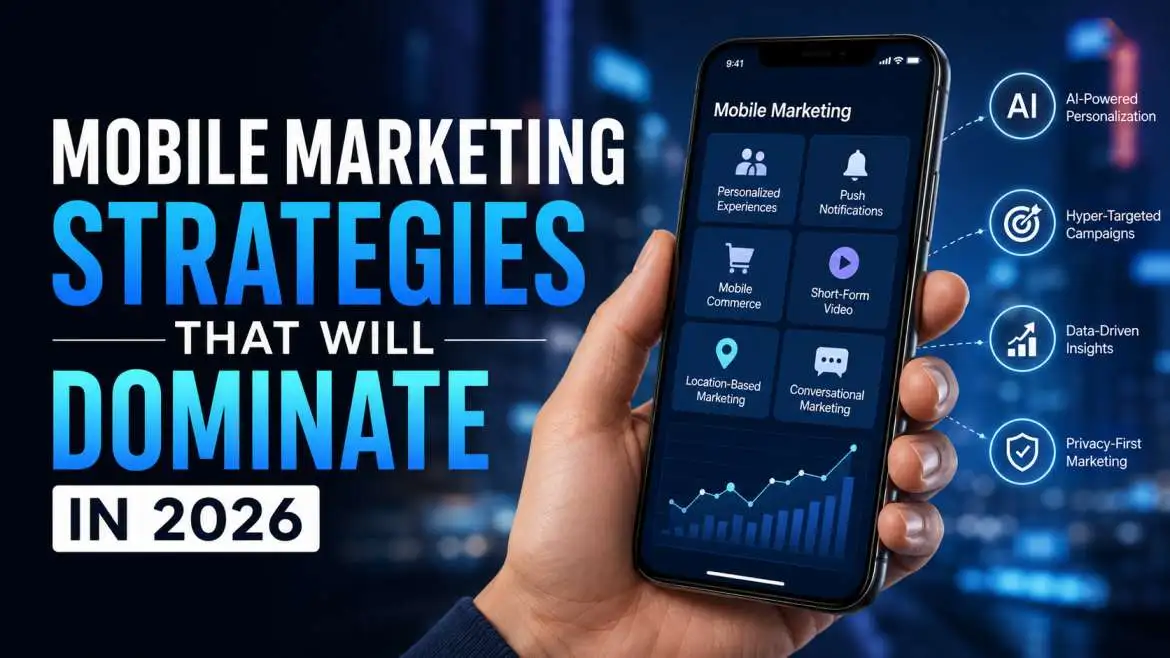
Mobile marketing is now one of the most important parts of online growth. People spend a large part of their day on phones, so brands must meet them where they already are. In 2026, the best results come from simple mobile experiences, clear messages, and strong timing.
If you want a guide that explains what mobile marketing is, the advantages of mobile marketing, the latest mobile marketing trends in 2026, and the best mobile marketing strategies for 2026, this article will help. It also covers the seven practical ideas that can improve results from the first tap to the final checkout.
What Is Mobile Marketing?
Mobile marketing means reaching people through mobile devices like smartphones and tablets. It includes messages, ads, apps, text alerts, social media, mobile sites, and in-app content. The goal is simple: connect with users in a way that feels easy, fast, and useful on a small screen.
This matters because mobile users are not sitting at a desk and waiting. They check phones while traveling, shopping, eating, or taking a short break. That means your message must be short, clear, and useful right away.
Mobile marketing is not only about showing ads. It is about creating a smooth path from interest to action. That path may start with a tap and end with a purchase, sign-up, call, or app download.
You may also read :- Top Advantages of Mobile Marketing for Business Growth
Advantages of Mobile Marketing
There are many advantages of mobile marketing, and the biggest one is reach. Almost every customer has a phone, so you can stay close to your audience through many daily touchpoints. This gives brands a strong chance to stay visible.
Another advantage is speed. Mobile messages can be seen quickly, and users can respond fast. A short alert, useful ad, or app offer can lead to action in a very short time.
Mobile marketing also supports a personal touch. You can use location, past behavior, time of day, and app use to send better messages. When the message fits the person, it feels more helpful and less random.
It also supports stronger customer flow. A user can discover a product, read a short page, ask a question, and buy it without moving across many devices. That is one reason mobile is so important for sales in 2026.
Mobile Marketing Trends 2026
The top mobile marketing trends for 2026 show one clear direction: users want less friction and more value. They do not want long loading times, confusing pages, or forced actions. They want quick, smooth, and useful mobile experiences.
One major trend is better personalization. Brands are using data to show the right offer at the right time. This helps make messages feel more relevant.
Another trend is richer mobile content. Short video, interactive posts, and simple product demos are getting more attention. People often respond better to content they can understand in a few seconds.
AI also plays a bigger role in planning and content support. An AI marketing content generator can help teams draft messages, test ideas, and build content faster. But the final message still needs human care so it feels natural and useful.
We are also seeing more use of mobile wallets, chat tools, location-based offers, and app-based shopping. In 2026, the best mobile marketing is not loud. It is smooth, timely, and helpful.
1. Make the Mobile Experience Seamless
The first step in strong mobile marketing strategies for 2026 is to remove friction. If your site is slow, your buttons are hard to tap, or your page looks broken on a phone, many users will leave. A smooth mobile experience is not a bonus anymore. It is a basic need.
Your page should load fast, fit the screen well, and guide the user clearly. Text should be easy to read. Buttons should be large enough to tap. Forms should be short and simple.
A seamless mobile experience also helps checkout. If a buyer has to zoom in, re-enter details, or wait too long, the sale may stop. The easier the path, the better the result.
2. Leverage SMS and Push Notifications
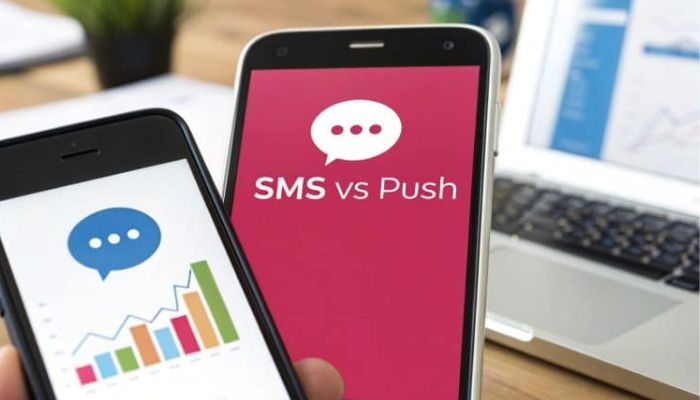
Text messages and push alerts are still strong tools because they reach people fast. They work well when the message is short, useful, and timed well. A reminder, offer, or order update can bring a user back quickly.
The key is to avoid overuse. Too many alerts can make people ignore your brand or turn off notifications. So each message should have a clear purpose.
Use SMS for urgent or important updates. Use push notifications for app users who have already shown interest. When used well, these tools can support quick action and repeat visits.
3. Use Mobile Apps and In-App Engagement
Mobile apps are useful when your brand needs repeat visits, loyalty, or regular use. An app can make shopping, booking, learning, or support faster than a website. It also gives you more direct contact with the user.
Inside the app, you can use offers, reminders, useful content, and simple prompts. These can guide the user toward the next step without feeling heavy. Good in-app engagement helps people stay active and return often.
An app should never feel like extra work. It should save time, make tasks easier, and give the user a reason to come back. That is what makes app-based marketing powerful.
4. Use Location and Context
Location-based marketing lets you speak to people based on where they are. This can be useful for stores, food brands, travel, events, and local services. If a user is nearby, a timely message can be more useful than a general one.
Context also matters. A message can change based on time, weather, past activity, or device use. For example, a lunch offer may work better at noon. A store discount may work better near closing time.
This is one of the smartest mobile marketing strategies for 2026 because it makes messages more relevant. When a user feels that the offer fits the moment, the chance of action goes up.
5. Combine Social, Mobile, and Interactive Ads
Social media and mobile use already go hand in hand. Most people see social content on their phones, so mobile ads must fit that habit. The ad should be short, clear, and easy to act on.
Interactive ads can also work well. In-game ads, swipeable cards, polls, short videos, and tap-to-learn formats can hold attention better than plain text. These formats are good when you want users to stay engaged.
The goal is not to push too hard. It is to create a small moment of interest that leads to action. If the ad feels natural on mobile, people are more likely to respond.
6. Use New Tools Like AR, Chatbots, and Mobile Wallets
New tools are changing how mobile marketing works. Augmented reality can help users see a product in a more real way. This is useful for fashion, home items, beauty, and shopping.
Chatbots can also help by answering simple questions fast. A user may want product details, support, or order help. A good chatbot can give quick answers at any time.
Mobile wallets are another useful part of the journey. They make payment faster and easier. When payment is simple, checkout becomes smoother. That is important because many sales are lost at the final step.
7. Build Integrated Mobile Content and Omnichannel Flow
The last step is to connect everything. Users may start on social media, move to a mobile site, open an app, and finish through email or text. If each step feels different, the journey becomes weaker.
A strong mobile plan keeps the message the same across channels. The tone, offer, and next step should feel linked. That way the user does not get confused.
This is where content matters too. Your mobile content should be short, useful, and easy to scan. It should help the user move forward with little effort. When content, apps, ads, and messages all work together, the result is much better.
How to use AI well in mobile marketing
An AI marketing content generator can help with speed, ideas, and drafts. It can support subject lines, short ad text, push alerts, and content planning. This saves time for busy teams.
But AI should not replace good thinking. You still need to check the message, match the brand voice, and keep the text simple. The best use of AI is support, not full control.
In mobile marketing, short and clear writing matters a lot. So AI can help create first drafts, but a human should always refine them before publishing.
Final thoughts
Mobile marketing in 2026 works best when it is simple, fast, and useful. That is why the strongest mobile marketing strategies in 2026 focus on smooth user flow, text alerts, app engagement, location use, mobile ads, new tools, and connected content.
The advantages of mobile marketing are clear: reach, speed, personal touch, and better sales flow. The most important rule is to respect the user’s time. If your mobile experience is easy, people are more likely to stay, click, and buy.
If you want strong results, do not build for the device only. Build for the person using the device. That is the real key to mobile growth in 2026.
FAQs
What is mobile marketing in simple words?
Mobile marketing means reaching people through phones and tablets with ads, messages, apps, and mobile-friendly content.
Why is mobile marketing important in 2026?
People spend a lot of time on phones, so mobile is one of the best ways to reach users quickly and effectively.
What are the main advantages of mobile marketing?
The main advantages are wide reach, fast response, personal messages, and a smoother path to purchase.
Can AI help with mobile marketing?
Yes. An AI content tool can help with ideas, drafts, and fast content creation, but the final message should still be checked by a person.
Which mobile strategy is most important?
A seamless mobile experience is one of the most important parts because users leave fast if the page is slow or hard to use.
Related Articles
Easy Mobile Marketing Tips: Simple Ways to Reach Phone Users
To cut to the chase: mobile marketing tips enable you to reach customers in their own context: on their phone. For 2026 that involves developing quick, convenient and personal experiences for those who rely on their phones for virtually anything, be it social media or product...
What Are the Major Mobile Marketing Trends in 2026? Full Guide
Mobile marketing is changing how brands connect with people. Mobile marketing trends in 2026 show a big move toward smart tools, fun videos, and easy shopping on phones. People use their phones more than computers now, so brands must focus on phones first. This guide...
How to Do WhatsApp Marketing: Ultimate Step-by-Step Guide
Honestly, WhatsApp marketing works so well because you're reaching people where they already spend all their time. But look, you can't just start blasting messages out of nowhere—you absolutely need their permission first. Once you've got that down, it’s just a matter of picking the...